Tel: +86-138-0108-2502 /+86-138-0135-1388 E-mail: info@mbrxh.com


Views: 149 Author: Site Editor Publish Time: 2026-01-26 Origin: Site


Silicone Rubber Keypads (SRK) are transforming user interfaces across industries, thanks to their durability and tactile feedback. But when is an SRK the best choice over other interface solutions? These keypads excel in extreme environments, offering unmatched performance and longevity. In this article, we’ll explore why SRKs are a superior option and guide you on when to choose them for your product’s interface.
When selecting materials for harsh environments, durability and environmental adaptability are key factors to consider. Silicone rubber excels in temperature resistance, humidity tolerance, chemical resistance, and other key areas, making it ideal for applications in industrial devices, medical equipment, and more. Below is a table highlighting the key technical parameters of silicone rubber keypads related to their durability and environmental resistance.
| Technical Parameter | Description | Unit | Typical Value | Application Range |
|---|---|---|---|---|
| Temperature Resistance | Performance in extreme hot and cold environments | °C | -60°C to +230°C | Suitable for devices in extreme temperature environments like industrial control systems |
| Humidity Resistance | Resistance to moisture and humidity | %RH | 95% | Medical devices, food processing equipment |
| UV Resistance | Resistance to ultraviolet light | - | High (UV degradation resistant) | Outdoor devices, to prevent UV aging |
| Chemical Resistance | Resistance to chemicals (oils, solvents) | - | High | Environments with frequent chemical exposure like industrial plants |
| Lifespan | Average operational lifespan of keypads | Years | 5+ years | Long-term use in industrial and medical equipment |
One of the standout features of Silicone Rubber Keypads is the superior tactile feedback they offer. Unlike flat membrane switches, SRKs provide a satisfying "snap" feeling when pressed, which significantly enhances user experience. This responsive feedback reduces input errors and improves reliability, especially in applications requiring precision. The ability to customize the actuation force and travel distance of each button further optimizes the user experience. This makes SRKs an excellent choice for environments where users may be wearing gloves or need to operate the interface in dim lighting.
In addition to their durability, SRKs are also excellent at protecting underlying components from environmental factors. Their sealed construction makes them impervious to water, dust, and other contaminants, which is particularly crucial for devices used in industrial or medical applications. SRKs often come with an IP rating (Ingress Protection) that ensures they meet high standards of sealing for protection in harsh environments.
Tip:When designing SRKs for outdoor or marine equipment, consider the IP rating carefully to ensure long-term performance in extreme conditions.
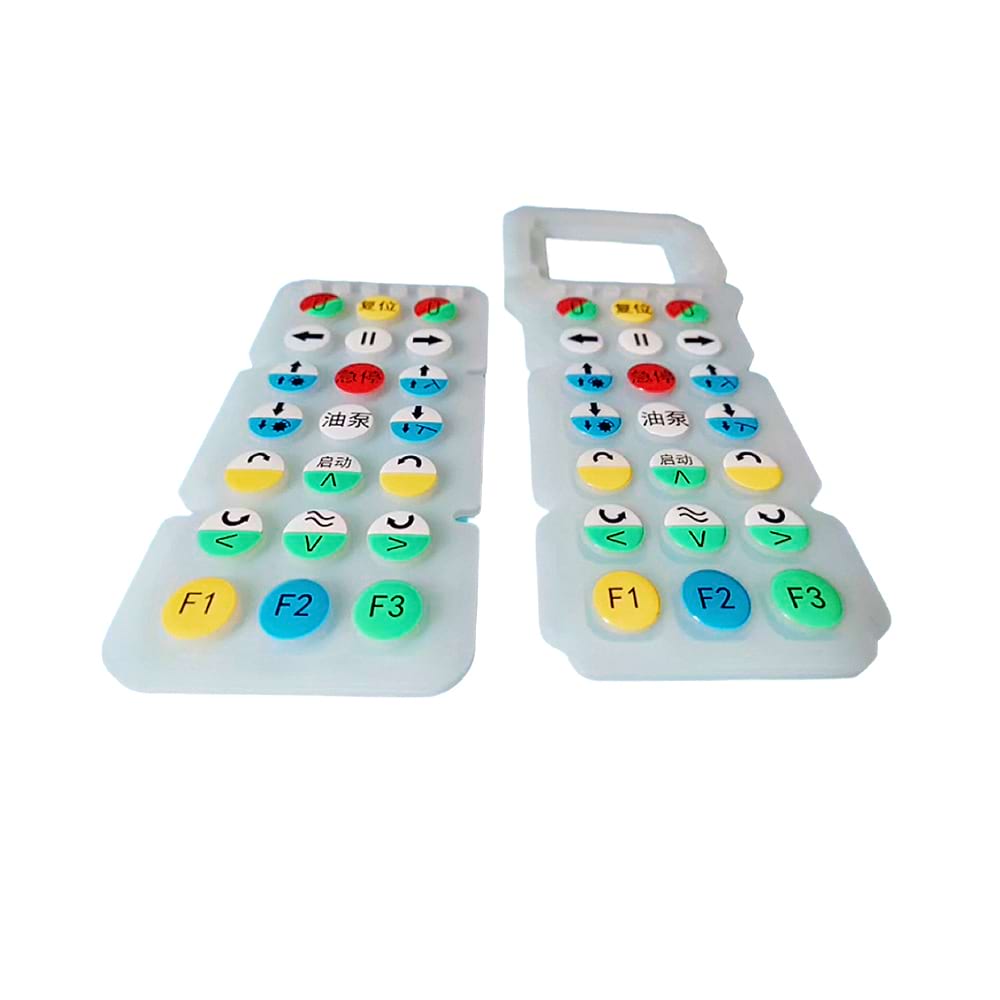
Both SRKs and membrane switches are sealed interfaces, making them suitable for applications where protection against dust, water, and contaminants is crucial. However, SRKs have a significant advantage in terms of their mechanical durability. They can withstand harsh physical stress, such as abrasion and impact, better than membrane switches. This makes SRKs ideal for industrial or automotive applications where mechanical robustness is needed. While membrane switches may be easier to clean and have a slim profile, they often lack the tactile feedback and durability offered by SRKs, making them less effective in demanding environments.
SRKs are ideal in environments where tactile feedback is essential, offering a satisfying "click" that improves input precision, especially in consumer electronics and medical devices. This tactile response enhances usability and accuracy. In contrast, membrane switches are better suited for applications prioritizing flat, graphic-heavy designs without the need for tactile feedback, making them ideal for household appliances or certain medical devices where a clean, non-interactive interface is preferred.
SRKs are particularly well-suited for safety-critical products, HVAC systems, and consumer electronics. Their tactile feedback and ergonomic features make them the go-to choice in environments where physical interaction is key. Meanwhile, membrane switches are more appropriate for applications that need slim designs or where graphic overlays are crucial, such as certain medical equipment and home appliances.
Tip: Choose SRKs for environments where durability, tactile feedback, and sealing are crucial, and membrane switches when aesthetics and slim designs are prioritized.
Silicone Rubber Keypads offer exceptional design flexibility, allowing for customization to meet the specific needs of different applications. SRKs can be molded into various shapes and sizes, allowing manufacturers to create unique keypads tailored to product requirements. Additionally, SRKs can be designed with backlighting options (LED, EL) to improve visibility in low-light conditions, making them suitable for applications like medical equipment, industrial machinery, or automotive controls.
The ability to integrate 3D designs and customize the key height, button shape, and overall form factor makes SRKs an attractive option for businesses looking to create a distinctive user interface.
Silicone rubber keypads' customizable actuation force, travel distances, and button height provide outstanding comfort and tactile feedback. These design features make SRKs highly popular in fields requiring precise operation. Below is a table highlighting the key ergonomic design parameters of silicone rubber keypads.
| Parameter | Description | Unit | Typical Value | Applicable Products |
|---|---|---|---|---|
| Button Actuation Force | Customizable actuation force for each button | N (Newton) | 0.5N to 5N | Suitable for precision operation devices like medical equipment |
| Button Travel Distance | Adjustable button travel distance | mm | 2 mm to 4 mm | Provides ergonomic comfort for industrial devices |
| Button Height | Adjustable button height for ergonomics | mm | 3 mm to 5 mm | Long-term use in automated systems and industrial controls |
| Tactile Feedback | Design of tactile feedback for clear user response | - | Crisp "click" sensation | Enhances accuracy and usability in precision tools |
| Anti-mispress Design | Design to avoid accidental presses | - | 1 mm to 3 mm spacing | Suitable for devices requiring precise control like medical devices |
Tip: When designing silicone rubber keypads, focus on ergonomic features like button height and actuation force to enhance the user's comfort and operational efficiency.
SRKs are not only highly functional but also offer significant aesthetic flexibility. The silicone material can be molded into various textures, colors, and graphics, allowing companies to integrate branding elements or distinctive designs into the user interface. Whether it's a custom color for product branding or specific icons and logos, SRKs can be tailored to fit the visual identity of the product. Therefore, when designing SRKs, it's essential to consider the aesthetic needs of your device, as they provide ample opportunities for branding and enhancing user engagement.
SRKs are ideal for medical devices because they meet stringent safety and hygiene standards. Their hypoallergenic properties reduce the risk of allergic reactions, and their ability to withstand repeated exposure to sterilizing agents ensures their longevity and reliability in medical environments. These keypads are crucial in devices that require frequent cleaning, such as infusion pumps and patient monitoring systems, where maintaining sterile conditions is essential for patient safety and device performance.
In industrial environments, SRKs are crucial for maintaining operational efficiency in harsh conditions. Their ability to resist exposure to harsh chemicals, oils, and solvents ensures they maintain functionality even in aggressive work environments. Additionally, SRKs' robust sealing properties prevent dust and moisture ingress, making them ideal for applications in control panels for heavy machinery, HVAC systems, and handheld devices, where reliability and long-term durability are critical.
SRKs are widely used in consumer electronics and automotive industries due to their ability to combine ergonomic design with advanced functionality. Their tactile feedback enhances user interaction, improving overall usability, especially in devices such as remote controls, wearable tech, and automotive dashboard controls. Furthermore, SRKs can be customized in terms of color, shape, and backlighting, providing an ideal solution where both aesthetic appeal and performance are key factors.
SRKs are perfectly suited for outdoor and marine applications due to their waterproof and UV-resistant properties. Devices exposed to the elements, such as outdoor electronics and marine equipment, benefit from the environmental resistance of SRKs. The ability to perform reliably in saltwater and under direct sunlight makes SRKs an essential part of outdoor gear.
Tip:For products used outdoors or in marine environments, ensure the SRK design incorporates UV and moisture resistance to guarantee long-term functionality.
Silicone rubber keypads are widely used in applications that require long-term durability and low maintenance. Compared to other types of keypads, their longer lifespan offers significant cost savings. Below is a table analyzing the lifespan and cost-effectiveness of silicone rubber keypads.
| Technical Parameter | Description | Unit | Typical Value | Application Example |
|---|---|---|---|---|
| Lifespan | Average operational lifespan of keypads | Years | 5+ years | Ideal for industrial control, medical equipment, and other long-life devices |
| Maintenance Frequency | Frequency of required maintenance | Times/Year | 1-2 times/year | Reduced downtime, ideal for high-reliability applications |
| Production Cost | Cost of producing a single silicone rubber keypad | USD | Lower than traditional mechanical keypads | Cost-effective in the long run for large-scale production |
| Total Cost of Ownership (TCO) | Total cost from purchase to end of life | USD | Lower than alternatives | Reduces overall maintenance and replacement costs |
| Replacement Frequency | Frequency of replacement | Times/Year | Low | Ideal for long-term, stable operations in industrial systems |
SRKs excel in extreme environments due to their exceptional resistance to high and low temperatures, ranging from -60°C to +230°C. This makes them suitable for industries such as aerospace and manufacturing, where equipment operates under severe conditions. Additionally, SRKs can endure exposure to a wide range of chemicals, oils, and solvents without degrading, ensuring long-term functionality even in harsh industrial settings. Their robust design also protects against mechanical wear, further enhancing their reliability in demanding environments.
SRKs’ smooth, non-porous surface prevents bacteria and contaminants from adhering, making them easy to sanitize. This feature is crucial for sectors like healthcare, where infection control is paramount. Furthermore, their durability reduces the need for frequent maintenance, unlike mechanical keypads that may require repairs due to wear and tear. With SRKs, businesses benefit from lower lifecycle costs, as these keypads maintain their functionality and aesthetic appeal with minimal upkeep, ensuring consistent performance in hygiene-critical applications.
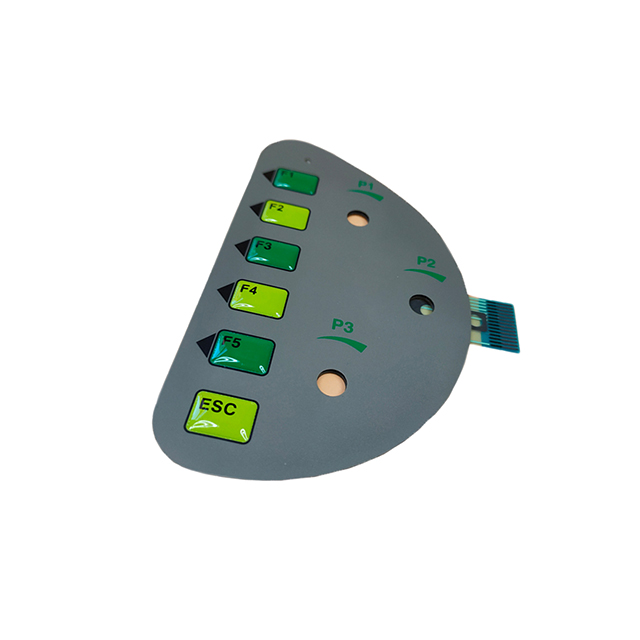
While initial tooling costs for SRKs may be higher than for membrane switches, the long-term cost benefits outweigh the upfront investment. Their high durability reduces maintenance and replacement expenses over time. Additionally, SRKs’ longer lifespan contributes to a lower total cost of ownership, making them particularly cost-effective for industries where long-term reliability is critical, such as medical and industrial applications. This results in significant savings for businesses over the life cycle of the product.
The ability to tailor SRKs for specific product needs enhances their appeal in competitive markets. Custom design ensures that the interface matches the functional and aesthetic requirements of the product. Manufacturers can refine designs through rapid prototyping, ensuring optimal ergonomics and user experience. This iterative process helps mitigate risks by testing designs before full-scale production, improving product quality, and ensuring it meets end-user expectations, especially for specialized applications like medical devices or industrial control systems.
SRKs are highly scalable, making them ideal for large production runs. As volume increases, per-unit costs decrease due to the efficiency of silicone rubber molding processes. This scalability is supported by automated systems that maintain precision in mass production, ensuring consistent quality across high-volume batches. This makes SRKs a practical choice for businesses looking to optimize cost efficiency while maintaining high-quality standards, especially in industries like automotive, electronics, and consumer goods manufacturing.
Silicone Rubber Keypads (SRKs) provide a reliable, durable, and ergonomic interface solution. Their resistance to harsh environments, combined with superior tactile feedback and customization capabilities, makes them ideal for industries that require long-lasting performance. Whether for medical, industrial, automotive, or outdoor applications, SRKs stand out for their durability, tactile responsiveness, and environmental protection. Meiborui (XiangHe) Electronic Information Technology Co., Ltd. offers high-quality SRKs designed to meet your product's specific needs, ensuring both functionality and longevity in demanding environments.
A: A Silicone Rubber Keypad (SRK) is a user-interface solution made from durable silicone rubber, known for its tactile feedback, environmental resistance, and long-lasting performance. It is commonly used in industries like medical, industrial, and consumer electronics.
A: Choose a Silicone Rubber Keypad when you need durability, tactile feedback, and resistance to harsh conditions like moisture, chemicals, and extreme temperatures. It's ideal for applications requiring long-term reliability, like medical devices or industrial controls.
A: SRKs offer a "click" or "snap" feeling when pressed, providing responsive tactile feedback. This enhances user interaction, improving input accuracy, especially in applications that require precision, like medical devices and consumer electronics.
A: While the initial tooling cost for Silicone Rubber Keypads may be higher, their long lifespan, minimal maintenance, and durability make them a cost-effective option in the long run, especially in high-use applications like industrial equipment.
A: The advantages of Silicone Rubber Keypads include superior durability, environmental resistance (to heat, moisture, and chemicals), easy cleaning, and customization options like backlighting and ergonomic design. These features make SRKs ideal for various industries.
A: Yes, Silicone Rubber Keypads can be molded into various shapes, sizes, and designs. They can also be customized with features like backlighting and specific tactile feedback to suit the needs of different applications, such as medical or industrial devices.
A: Unlike membrane switches, Silicone Rubber Keypads offer better tactile feedback, durability, and environmental sealing. While membrane switches are thinner and easier to clean, SRKs are ideal for environments requiring physical interaction and resistance to wear.


