Tel: +86-138-0108-2502 /+86-138-0135-1388 E-mail: info@mbrxh.com


Views: 120 Author: Site Editor Publish Time: 2026-02-02 Origin: Site


Silicone rubber keypads are essential in industries like medical, automotive, and industrial sectors. Their durability and versatility make them the top choice for challenging environments where performance matters most. These keypads ensure seamless human-machine interaction while offering custom solutions for unique needs. In this article, we'll dive into the key benefits and applications of silicone rubber keypads, showcasing how they enhance efficiency and improve user experience in industrial designs.
One of the most significant benefits of silicone rubber keypads is their exceptional durability. These keypads are inherently resistant to extreme temperatures, UV exposure, and harsh chemicals, making them ideal for industries like automotive, aerospace, and medical devices, where equipment is subjected to rigorous conditions. Silicone rubber keypads can withstand temperatures ranging from -60°C to +200°C, maintaining performance even in the harshest environments. Their ability to endure repeated use without degradation ensures a long lifespan, reducing the frequency of replacements and offering long-term reliability.
The customization options of silicone rubber keypads provide flexible solutions for various applications. From tactile feedback to visual design, the customization options can greatly enhance the user experience, ensuring that keypads meet the diverse needs of different industries and users. Features like multi-color molding, backlighting, and laser etching make silicone keypads suitable for medical, industrial, and consumer electronics.
| Customization Option | Application Areas | Technical Requirements | Considerations | Technical Specifications |
|---|---|---|---|---|
| Tactile Feedback Adjustment | Industrial control panels, medical devices | Adjust "snap ratio" for different tactile experiences | Ensure feedback consistency, avoid too light or too heavy feedback, and enhance operation comfort. | Snap Ratio: 0.3-0.8N; Shore Hardness: 30-90A |
| Backlighting Design | Medical devices, automotive control systems, industrial panels | Backlighting can use LED or EL technology to ensure visibility in low-light environments | Ensure brightness and color selection for visibility and to avoid eye strain. | Backlight Brightness: 500-1000cd/m²; Backlight Colors: White, Blue, Red, etc. |
| Laser Etching | Control panels, user interfaces | Use laser etching technology to create precise designs and texts, enhancing interface visibility | Ensure etching precision to avoid blurry or worn-out text. | Etching Depth: 0.05-0.2mm; Etching Precision: ±0.02mm |
| Multi-Color Molding | Consumer electronics, automotive interiors, industrial interfaces | Multi-color molding technology allows differentiation of key functions by color | Ensure durability and longevity of colors in high-wear areas. | Color Difference: ΔE<1; Color Type: PMS Color Matching, ensuring consistency |
In addition to their durability and customizability, silicone rubber keypads are more cost-efficient than mechanical switches for high-volume production. The molding process used to create silicone rubber keypads is more economical, especially in large-scale manufacturing, which helps reduce costs. Despite the initial tooling costs, silicone keypads provide significant savings over time due to their long lifespan and minimal maintenance needs. This cost-efficiency, combined with their reliability in challenging environments, makes silicone rubber keypads an attractive option for industries seeking both quality and affordability.
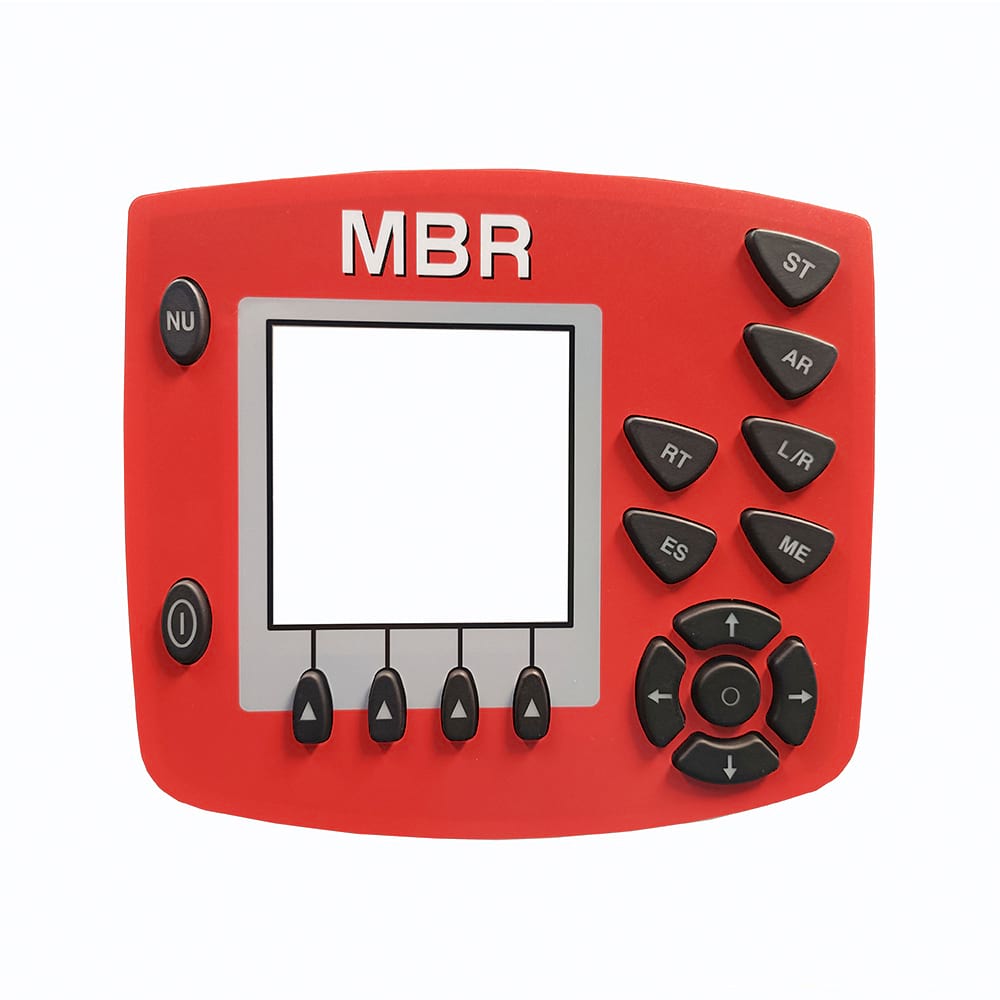
Silicone rubber keypads are typically produced through a process known as compression molding. During this process, liquid silicone rubber is placed in a mold and heated to create the final shape. The material’s natural elasticity ensures that the keypad returns to its original form after each press, providing the tactile feedback users expect. Silicone’s malleability allows for intricate designs, including multi-layered structures and 3D shapes, which enhance both form and function. The process also ensures that the keypads can be made with custom features such as backlighting or laser-etched icons.
Silicone rubber keypads are often integrated with conductive materials like carbon or gold pills that enable reliable electrical contact with a printed circuit board (PCB). These conductive components are molded into the base of each key, ensuring precise actuation and response when the button is pressed. The design flexibility of silicone rubber keypads extends to the creation of ergonomic and functional key shapes, including those with different textures, sizes, and configurations to suit the specific needs of each application. Whether it’s a simple control button or a complex multi-functional keypad, silicone rubber can be molded to meet a variety of requirements.
The non-conductive nature of silicone rubber plays a key role in the reliability and performance of these keypads. When the user presses a key, the silicone deforms to make contact with the conductive elements beneath, completing the circuit and triggering the corresponding action. This mechanism provides reliable electrical actuation without the need for mechanical switches, offering both cost and performance advantages. Furthermore, the carbon or gold conductive pills ensure that the electrical connection is strong and consistent, even under heavy use.
In the medical field, silicone rubber keypads are widely used due to their excellent durability, biocompatibility, and resistance to frequent sterilization and harsh disinfectants. These keypads are commonly integrated into diagnostic equipment, patient monitors, and infusion pumps, where cleanliness is crucial. The materials used ensure that the keypads maintain their functionality and safety even after repeated sterilization cycles.
| Application Area | Functional Requirements | Technical Specifications | Considerations | Performance Standards |
|---|---|---|---|---|
| Medical Device Control Panels | Provide accurate tactile feedback for user interaction | Material must be durable, resistant to chemicals, and capable of withstanding high temperatures | Ensure the tactile feedback is consistent and the keypad remains operational under harsh conditions | Temperature Resistance: -40°C to +200°C; Chemical Resistance: Meets ISO 9001 standards |
| Diagnostic Equipment Keypads | Must be easy to clean, resistant to disinfectants, and biocompatible | Keypad surfaces must have antibacterial properties to reduce bacterial growth | Prevent degradation of material after multiple sterilization cycles | Waterproof Rating: IP67; Antibacterial Materials: Medical-grade silicone/copper-based materials |
| Patient Monitoring Devices | Long-term stability and performance in medical settings | Silicone must resist UV and chemical disinfectants without affecting performance | Keypads should maintain performance despite repeated exposure to disinfectants | UV Resistance: >1000 hours; Lifespan: >5 years |
| Infusion Pumps | Reliable feedback to avoid accidental triggers or errors | Low failure rates and high stability in tactile response | Ensure tactile feedback consistency throughout usage, especially in high-stakes environments | Snap Ratio: 0.5-0.8N; UV Resistance: Meets ISO 9001 standards |
Tip: In medical environments, choosing silicone rubber keypads with proven resistance to sterilization processes and chemicals enhances not only product durability but also ensures user safety and operational efficiency. Always check for antimicrobial properties and compliance with medical standards when selecting materials.
In the automotive industry, silicone rubber keypads are used in dashboard controls, steering wheel buttons, and other vehicle interfaces. These keypads are designed to handle high vibration, temperature fluctuations, and heavy wear, making them reliable in the demanding conditions of automotive environments. The ability to provide tactile feedback also enhances the driver’s user experience, ensuring that each control responds accurately and intuitively.
Silicone rubber keypads play a critical role in aerospace and military applications, where equipment must perform reliably in extreme conditions. These keypads are resistant to vibration, high pressure, and temperature extremes, ensuring that they function in even the most challenging environments. Whether used in aircraft controls or military communication devices, silicone rubber keypads are integral to mission-critical systems that require reliable, long-lasting performance.
Silicone rubber keypads are also commonly used in industrial equipment, particularly in control panels for heavy machinery and handheld terminals. Their ability to resist dust, water, and chemicals makes them ideal for harsh industrial environments, where exposure to the elements is inevitable. These keypads help ensure that control systems remain functional and easy to use, even in the most challenging working conditions.
In many industrial applications, keypads need to be resistant to moisture, chemicals, and other environmental factors. To achieve this, manufacturers can use sealing techniques such as compression molding with integrated gaskets or adhesives that meet IP-rated standards. These seals ensure that the keypad remains functional even when exposed to water, dust, or chemicals, which is particularly important for applications in medical, industrial, and outdoor environments.
Optimizing molding pressures during production is critical to avoid deforming the silicone rubber and ensuring that the keypad’s tactile feedback remains consistent. Additionally, selecting the appropriate silicone material based on the application’s environmental requirements is essential. For instance, silicone rubber with higher shore hardness may be used in applications that require more precise tactile feedback, while softer materials may be chosen for comfort in consumer electronics.
To maximize the performance and longevity of silicone rubber keypads, it is important to protect them from extreme temperature fluctuations. High-quality conductive materials, such as carbon pellets or gold pills, should be used to ensure reliable electrical actuation. By using stable, high-performance materials and optimizing the molding process, manufacturers can create keypads that withstand years of heavy use without sacrificing reliability or user experience.
Silicone rubber keypads can be molded into a variety of shapes, from simple flat buttons to more complex 3D forms that are ergonomically designed for user comfort. In addition to shape flexibility, silicone also serves as an excellent diffuser for backlighting. This makes silicone keypads perfect for applications in low-light conditions, such as in automotive dashboards or industrial control panels. LED or EL backlighting can be integrated into the design, ensuring visibility in all lighting conditions.
Tactile feedback plays a critical role in user satisfaction, and silicone rubber keypads excel in providing customizable tactile experiences. By adjusting the snap ratio, manufacturers can tailor the pressure required for key activation, offering either a soft, light touch or a firmer response. This customization is particularly beneficial in precision devices, where user error needs to be minimized, such as in medical equipment or military-grade controls. The ability to fine-tune tactile feedback improves user efficiency and reduces fatigue, leading to a more intuitive and comfortable interface.
Silicone rubber keypads can be enhanced with multi-color molding and laser etching to improve both functionality and appearance. Multi-color molding allows for intuitive color-coded functions, making interfaces more user-friendly. Laser etching, on the other hand, provides a permanent, high-precision method for marking buttons, ensuring that the text and icons remain legible even after years of use. This technology ensures that keypads maintain both their aesthetic integrity and functionality, making them suitable for high-wear environments such as industrial control panels and consumer electronics.
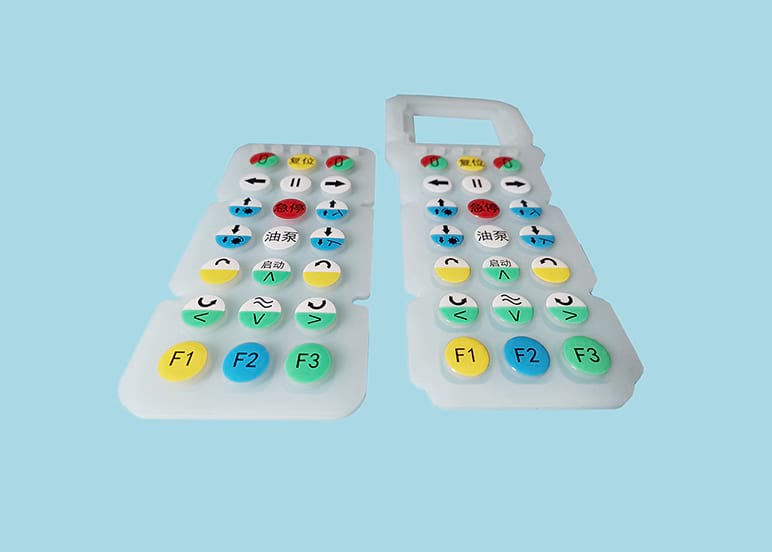
Recent advancements in silicone rubber materials have expanded their potential applications, making them even more suitable for extreme environments. With improved resistance to UV light, chemicals, and temperature extremes, these innovations have opened new possibilities for silicone rubber keypads in emerging industries such as robotics, wearable technology, and advanced medical devices.
| New Material Characteristics | Application Areas | Technological Advancements | Application Effects | Technical Specifications |
|---|---|---|---|---|
| UV Resistance | Outdoor devices, automotive, aerospace | New high-UV resistant silicone materials increase product longevity | Improve stability of outdoor equipment, reduce UV-induced aging | UV Resistance: >1000 hours; Aging Resistance: >2000 hours |
| High-Temperature Resistance | High-temperature industrial equipment, aerospace, automotive | Enhanced silicone materials allow stable operation at higher temperatures | Improve performance under extreme temperatures, reduce failure rates | Temperature Range: -80°C to +300°C; Lifespan: >5 years |
| Chemical Resistance | Medical devices, industrial control systems, marine applications | New silicone materials resist common chemical exposure | Enhance stability under chemical exposure, prevent degradation during long-term use | Chemical Resistance: Meets ISO 9001; Corrosion Test: >300 hours |
| Customizability | Medical devices, smart devices, consumer electronics | Adjustable silicone hardness, colors, and functions meet specific product needs | Improve design flexibility, enhance user experience | Hardness Range: Shore A 20-90; Color Type: PMS Color Matching |
Tip: The use of new materials significantly expands the application range of silicone rubber keypads, allowing them to meet more challenging environmental conditions. Material advancements ensure long-term performance and reliability.
The growing adoption of smart technologies presents a significant opportunity for silicone rubber keypads. Their flexibility and durability make them ideal for integration into next-generation wearable devices, smart home systems, and industrial IoT applications. Silicone keypads can be customized with features like haptic feedback, multi-color backlighting, and even embedded sensors, enhancing user interaction and accessibility. As smart devices demand more robust and versatile interfaces, silicone rubber keypads are poised to become a critical component in delivering seamless user experiences.
Sustainability is increasingly important in today’s manufacturing processes, and silicone rubber keypads are evolving to meet these concerns. Manufacturers are exploring eco-friendly alternatives, such as using recycled silicone or bio-based silicone materials, which reduce environmental impact without compromising performance. Innovations in the production process aim to lower energy consumption and reduce carbon emissions. These sustainable practices are helping industries align with environmental goals while ensuring that the keypads retain their long-lasting durability and functionality.
Silicone rubber keypads are revolutionizing industries with their durability, customizability, and cost-efficiency. From medical devices to industrial machinery, these keypads provide high-performance interfaces. As technology advances, their role in industrial design continues to grow. Meiborui (XiangHe) Electronic Information Technology Co.,Ltd. offers silicone rubber keypads that meet demanding standards, enhancing product efficiency and user experience in various applications.
A: Silicone rubber keypads are durable, flexible, and customizable keypads used in various industries. They offer high performance and reliability, making them ideal for demanding environments like medical, automotive, and industrial applications.
A: Silicone Rubber Keypads provide tactile feedback and customization options such as multi-color molding and backlighting, improving both the functionality and aesthetic appeal of devices in low-light environments.
A: Silicone Rubber Keypads offer long-lasting durability, reducing maintenance and replacement costs over time. Their easy-to-manufacture design also lowers production costs, making them more economical than mechanical switches.
A: Industries such as healthcare, automotive, aerospace, and industrial manufacturing rely on Silicone Rubber Keypads for their durability, flexibility, and ability to withstand harsh environments.
A: Silicone Rubber Keypads can be tailored with features like adjustable tactile feedback, multi-color molding, laser etching, and backlighting, making them adaptable for a wide range of applications and user preferences.


