Tel: +86-138-0108-2502 /+86-138-0135-1388 E-mail: info@mbrxh.com


Views: 157 Author: Site Editor Publish Time: 2026-01-30 Origin: Site


Silicone rubber keypads have become a key part of modern devices, offering durability and comfort. These keypads are highly versatile, used in industries from healthcare to consumer electronics. In this article, we'll explore the top benefits of choosing silicone rubber keypads. You'll learn about their exceptional durability, user-friendly design, and cost-effectiveness.
Silicone rubber keypads can perform well in both extreme heat and cold. Whether the device is exposed to freezing temperatures in an outdoor setting or high temperatures in industrial environments, silicone maintains its functionality without degrading. This makes silicone keypads an ideal solution for industries like automotive, medical, and outdoor equipment, where environmental conditions are unpredictable. In such demanding scenarios, these keypads not only survive but continue to perform reliably.
The non-porous nature of silicone rubber keypads makes them inherently resistant to moisture, dust, and chemicals. Their sealed design ensures that harmful substances like water, oils, or cleaning chemicals do not penetrate the keypad, protecting the internal components of the device. This is particularly important in medical and industrial equipment, where reliability and hygiene are paramount. These keypads are frequently used in applications like diagnostic tools, industrial machinery, and marine electronics, where exposure to such elements is common.
Silicone rubber keypads are highly resistant to UV exposure, making them durable even when used in outdoor devices. This resistance to weathering and sun damage ensures that the keypads retain their color and integrity over time, even in the harshest weather conditions. From outdoor gadgets to equipment used in rugged industries, silicone rubber keypads remain durable and functional, reducing the need for frequent replacements and contributing to long-term product lifespan.
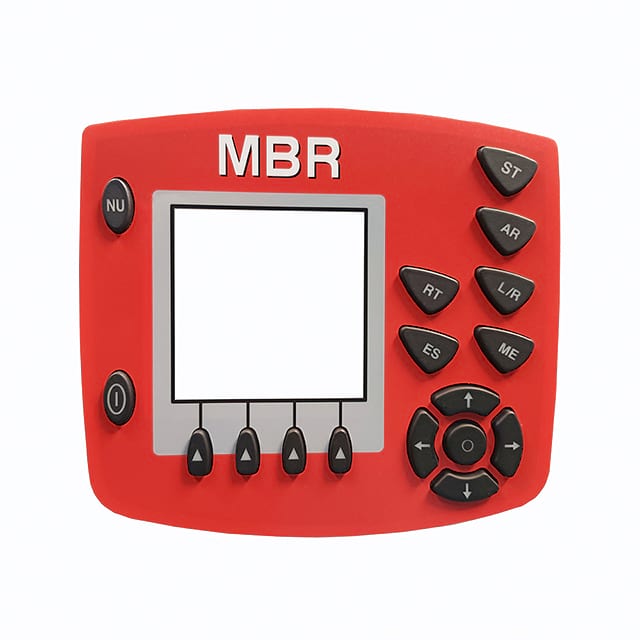
Tactile feedback is essential for improving the accuracy of user interactions with silicone rubber keypads. The response a user gets when pressing a key is a critical feature, especially for applications requiring precision. The table below outlines various tactile feedback parameters, providing a clear view of the characteristics that influence user experience, including materials used, sensitivity, and feedback mechanisms.
| Parameter | Description | Units | Values | Applications | Considerations |
|---|---|---|---|---|---|
| Tactile Feedback Type | Type of tactile response | - | Click, Snap, Soft Push | Used for medical equipment, industrial controls | Important for accuracy and reducing input errors |
| Force Required to Actuate | Force needed to activate key press | Newton (N) | 0.2 - 0.5 N | Ideal for handheld devices | Should be balanced for comfort and precision |
| Sensitivity | Keypad's sensitivity to light touch | - | High, Medium, Low | Consumer electronics, gaming devices | Affects user comfort and speed of input |
| Feedback Intensity | Strength of tactile response | - | Soft, Medium, Firm | Industrial controls, medical tools | Must be tailored for the specific use-case |
| Life Cycle (Presses) | Number of presses before failure | Cycle | 1,000,000 - 10,000,000 | Industrial, medical, consumer electronics | Higher life cycle increases long-term usability |
| Tactile Switch Material | Material used to create tactile response | - | Silicone, Metal, Carbon Pill | Automotive, industrial machinery | Impacts durability and cost |
Tip: When designing silicone keypads for precision-required applications, ensure the tactile feedback matches the level of sensitivity required to minimize user errors.
Silicone rubber keypads support ergonomic input because they combine a compliant surface with controlled actuation force, so users don’t need to “over-press” to confirm a command. In long-use products, designers can tune key travel and force to match the task—lighter for rapid, repetitive tapping, firmer for deliberate confirmation—helping reduce cumulative finger strain. The material also enables contoured key tops, wider contact areas, and spacing that improves reach and accuracy. For B2B teams, user testing should track comfort over time (e.g., perceived fatigue after 30–60 minutes) and error rate to validate an ergonomic target before tooling.
The quiet operation of silicone rubber keypads makes them ideal for noise-sensitive environments. In settings such as hospitals, offices, or libraries, where maintaining a quiet atmosphere is crucial, silicone rubber keypads reduce operational noise due to their soft, cushioned feel. The table below details the noise control features of silicone rubber keypads, including their technical specifications, suitable applications, and important considerations for achieving a peaceful and distraction-free experience.
| Parameter | Description | Units | Technical Specifications | Applications | Considerations |
|---|---|---|---|---|---|
| Keypad Operational Noise | Noise level generated when pressing a key | Decibels (dB) | 30 - 40 dB | Medical equipment, office devices, libraries | Significantly lower compared to mechanical switches |
| Key Release Noise | Noise level generated when the key rebounds | Decibels (dB) | 20 - 30 dB | Home appliances, smart devices | Ensures quiet release, minimizing disruption |
| Actuation Force | Force required to press the key | Newton (N) | 0.2 - 0.5 N | Handheld devices, remote controls | Low force required, ensuring comfort without extra noise |
| Silencing Effect | Reduction of noise compared to traditional mechanical switches | - | 50% - 60% | Office environments, medical environments, home settings | Meets the needs of noise-sensitive spaces |
| Tactile Feedback Type | Type of tactile response, influencing noise during operation | - | Soft, light snap-back feedback | Environments requiring noise control | Soft feel reduces noise caused by key press |
| Suitable Environments | Ideal environments for use | - | Hospitals, libraries, offices, recording studios | Best suited for areas where quiet operation is essential | Design should meet the noise reduction needs |
Silicone rubber keypads can be molded into various shapes and sizes to fit specific design requirements. Whether it’s concave buttons, multi-level designs, or intricate button arrangements, silicone allows for a great deal of flexibility in design. This versatility is particularly valuable in consumer electronics, automotive controls, and medical devices, where unique, user-friendly interfaces are essential for functionality and aesthetics.
Silicone rubber keypads can be customized in terms of color, offering a variety of options such as co-molding or spray painting to achieve the desired aesthetic. Manufacturers can create vibrant, multicolored designs to match branding needs or differentiate products in the marketplace. Custom graphics, logos, and text can also be applied to the surface, enhancing product visibility and brand identity.
For devices that need to be used in low-light conditions, silicone rubber keypads can support backlighting. Whether it's LED or EL backlighting, these keypads can be made translucent to allow light to shine through, improving visibility. This feature is particularly useful in environments like control panels or consumer electronics, where users need to interact with devices in dim or dark settings. The option for backlighting further enhances the functionality and design of silicone rubber keypads.
While the tooling costs for silicone rubber keypads may be higher initially, the scalability of the molding process allows manufacturers to benefit from significant economies of scale. Using automated production lines, the per-unit cost decreases as production volume increases, making it a highly cost-effective solution in the long run. Moreover, silicone’s flexibility in molding complex designs without additional steps minimizes setup time and material waste, further enhancing overall manufacturing efficiency.
The long lifespan of silicone rubber keypads is bolstered by their inherent resistance to environmental factors like moisture, dust, and extreme temperatures. This resistance reduces the frequency of failures, and the lack of mechanical wear parts ensures that silicone keypads outlast other alternatives. For industries like healthcare and aerospace, where equipment failure is costly, investing in durable, low-maintenance keypads can lead to substantial savings in both repair and downtime costs.
Silicone rubber keypads’ durability directly correlates with long-term cost-effectiveness. Their resistance to abrasion, UV light, and temperature extremes ensures that they provide consistent performance, reducing the need for replacements. In sectors requiring frequent interface use, like automotive or industrial machinery, the value of reduced operational interruptions and maintenance can vastly outweigh the initial investment, offering a superior total cost of ownership compared to less durable alternatives.
Silicone rubber keypads are widely used in consumer electronics, including remote controls, smartphones, and gaming devices. Their tactile feedback, durability, and customizable design make them a popular choice for products that require frequent user interaction. Additionally, the soft-touch surface and ergonomic design enhance user comfort, making these keypads essential in everyday gadgets.
In the medical industry, silicone rubber keypads offer several advantages, including their non-toxic properties and resistance to sterilization processes. They are commonly used in medical devices like patient monitors, infusion pumps, and diagnostic tools. Their ability to withstand frequent cleaning and exposure to disinfectants makes them ideal for environments where hygiene is paramount.
Silicone rubber keypads are indispensable in industrial and automotive applications due to their durability and resistance to harsh environmental factors. The table below highlights the specific properties and benefits of silicone keypads used in these demanding environments, showing their resistance to vibration, temperature extremes, and chemical exposure.
| Property | Description | Units | Resistance Type | Applications | Considerations |
|---|---|---|---|---|---|
| Vibration Resistance | Ability to withstand continuous vibrations | - | High | Automotive dashboards, machinery | Ensure the keypads retain functionality even in high-vibration conditions |
| Temperature Range | Operational temperature range for consistent performance | °C | -40 to +85°C | Industrial equipment, vehicles | Must remain functional in temperature extremes |
| Chemical Resistance | Ability to resist exposure to industrial chemicals | - | Strong acids, oils, solvents | Automotive, manufacturing plants | Keypads must maintain integrity in chemical environments |
| Abrasion Resistance | Resistance to wear and tear from frequent use | - | High | Heavy machinery, automotive | Must be durable enough to withstand repeated contact |
| Water and Dust Resistance | Protection against moisture and dust ingress | - | IP68, IP67 | Outdoor machinery, vehicles | Ensure waterproofing and dustproofing for reliability |
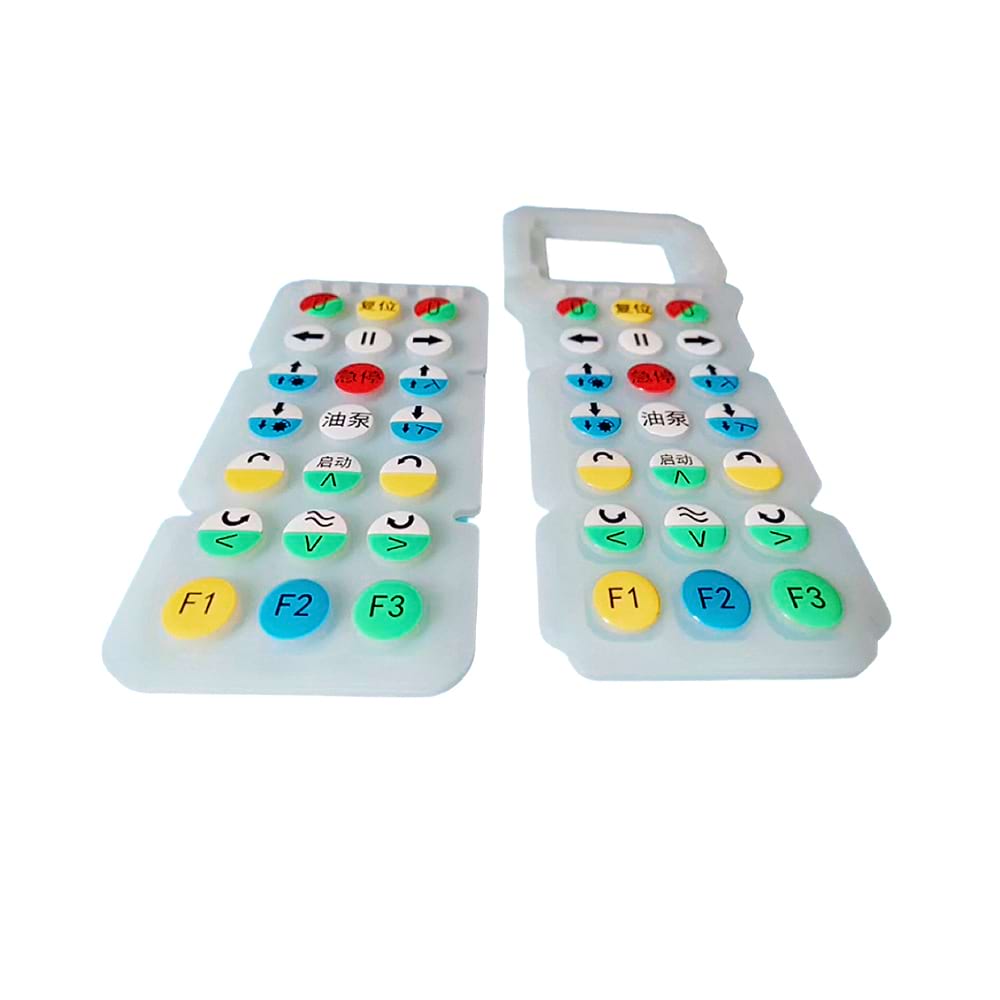
Silicone rubber's non-porous nature prevents the buildup of bacteria and other contaminants, making it an ideal choice for high-hygiene environments. In industries such as healthcare, silicone keypads are frequently used in diagnostic equipment, patient monitoring systems, and surgical instruments. Their ability to withstand harsh cleaning agents, including disinfectants and sterilization methods like autoclaving, ensures that they meet stringent hygiene standards, crucial for preventing cross-contamination and ensuring patient safety.
Silicone rubber's elasticity and resistance to fatigue make it highly resilient to the stresses of repetitive use. Unlike plastic, which may crack or degrade under constant pressure, silicone maintains its form and performance over millions of key presses. This durability reduces the frequency of replacement, lowering both direct costs and operational downtime. Industries like aerospace, medical, and automotive benefit from this resilience, ensuring long-term device functionality and reducing the need for costly maintenance and repairs.
Silicone rubber keypads provide significant advantages across various industries, from healthcare to consumer electronics. Their durability, tactile feedback, and design flexibility make them a cost-effective and reliable choice. These keypads offer long-term value by resisting environmental factors and wear. Meiborui (XiangHe) Electronic Information Technology Co.,Ltd. specializes in creating high-quality silicone rubber keypads that cater to diverse applications, offering exceptional performance and reliability. Their commitment to innovation ensures a user-friendly, durable solution that meets both industry standards and customer expectations.
A: Silicone rubber keypads are input devices made from silicone, designed for durability, flexibility, and ease of use. They offer excellent tactile feedback and can withstand harsh environmental conditions, making them ideal for a wide range of applications, including consumer electronics, medical equipment, and industrial machinery.
A: Silicone rubber keypads provide superior durability, resistance to moisture, dust, and chemicals, and can withstand extreme temperatures. They are also customizable in shape, size, and color, making them ideal for ergonomic designs and enhancing user experience in various industries.
A: Silicone rubber keypads are designed to last millions of presses without significant wear and tear. Their long lifespan reduces the need for frequent replacements, making them cost-effective and reliable for high-use environments like industrial controls, medical devices, and consumer electronics.
A: Yes, silicone rubber keypads are highly resistant to UV exposure and weathering, making them perfect for outdoor applications. They retain their color and integrity over time, even in harsh environments, ensuring long-term performance for devices used outdoors.
A: Absolutely. Silicone rubber keypads can be customized in terms of shape, size, color, and even branding elements like logos and text. This makes them an excellent choice for product differentiation and enhancing brand identity in various industries.
A: Silicone rubber keypads provide a comfortable, ergonomic design that reduces finger fatigue. Their tactile feedback ensures accurate key presses, and their quiet operation makes them suitable for noise-sensitive environments like hospitals, offices, and libraries.
A: Silicone rubber keypads are widely used in industries such as automotive, healthcare, consumer electronics, and industrial machinery. Their durability, customization options, and resistance to harsh conditions make them ideal for a variety of applications, from medical devices to control panels.


