Tel: +86-138-0108-2502 /+86-138-0135-1388 E-mail: info@mbrxh.com


Views: 126 Author: Site Editor Publish Time: 2026-02-06 Origin: Site


Looking for a reliable, durable, and versatile user interface solution? Silicone rubber keypads are your answer. These keypads are perfect for projects that demand flexibility and long-lasting performance, whether in consumer electronics, medical devices, or industrial machinery. In this article, we will explore the reasons why silicone rubber keypads are an excellent choice. You will learn about their durability, customization options, and ability to perform in extreme conditions.
Silicone rubber keypads are engineered to last. They are known for their ability to withstand millions of presses without showing signs of deterioration. This makes them an ideal solution for high-usage devices like remote controls, gaming controllers, and industrial machinery. Their resistance to abrasion, cracking, and fading ensures that they maintain their functionality and appearance over time, even in demanding environments.
Additionally, silicone rubber keypads are highly resistant to environmental factors such as chemicals, UV light, and moisture. This makes them an excellent choice for applications that require long-term durability, including outdoor and industrial settings. Unlike other materials, silicone rubber doesn’t degrade over time, making it a cost-effective option for projects that require extended operational life.
The natural properties of silicone rubber also make it highly effective at absorbing shocks and vibrations. This characteristic is particularly important in industries like automotive, aerospace, and industrial machinery, where equipment is subjected to constant movement and harsh conditions. Silicone rubber keypads can absorb impacts, preventing damage to the underlying electronics and enhancing the longevity of the entire device. This shock-absorbing property also contributes to user comfort by providing a soft, ergonomic feel during use.
Silicone rubber keypads are renowned for their long operational life, capable of withstanding millions of key presses without losing their functionality. This ensures that devices with silicone rubber keypads require fewer replacements and less maintenance, offering a significant cost advantage. Below is a table that breaks down key performance indicators related to the operational life of silicone rubber keypads, helping manufacturers and engineers evaluate the longevity of their keypads in different applications.
| Performance Metric | Description | Technical Parameters/Units | Application Examples | Notes |
|---|---|---|---|---|
| Keypad Lifespan | The number of presses a keypad can withstand before failure | ≥ 5 million presses | Consumer electronics, industrial controls, medical devices | The lifespan can be affected by temperature, humidity, and usage frequency |
| Environmental Adaptability | The keypad’s ability to maintain stability under varying temperature, humidity, and UV conditions | Temperature range: -55°C to 250°C | Outdoor devices, industrial equipment | Ensure the keypad remains reliable and stable in extreme environments |
| Performance Stability after Repeated Use | Whether tactile feedback and function remain consistent after repeated use | Keypad Feel: No noticeable change | High-use devices | After extended high-frequency use, test whether tactile feedback still meets standards |
| Material Durability | Resistance to wear, ensuring that the keypad does not degrade or deform over time | PU coating/silicone surface/wear resistance tests | Devices with high-frequency use | Regularly check whether the coating wears off and ensure it doesn't affect tactile feedback |
| Total Cost Efficiency | Maintenance and replacement cost over long-term use | Low long-term maintenance cost | Industrial devices, home appliances, smart devices | Silicone keypads lower replacement frequency, saving on long-term costs |
Tip:For applications requiring frequent use, such as industrial controls or medical devices, ensure you select silicone rubber keypads with high durability ratings and check the warranty or lifespan guarantees from the manufacturer to align with your product lifecycle goals.
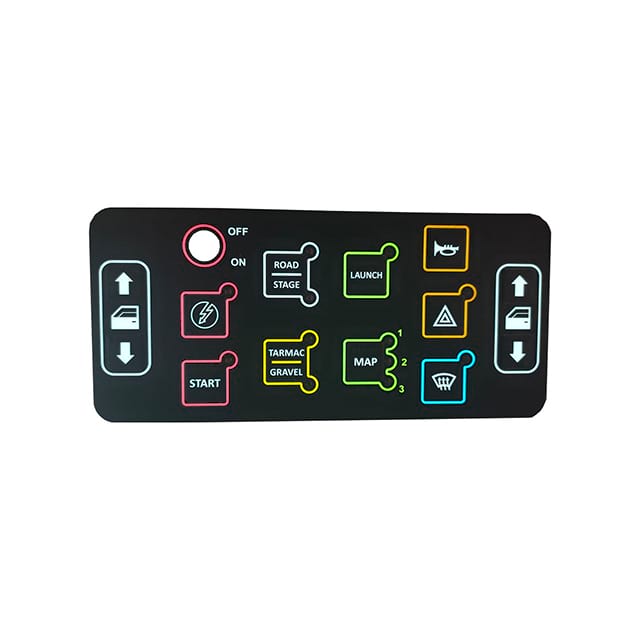
Silicone rubber keypads are designed to perform in extreme temperature conditions. With an operational range from -55°C to 250°C, they can withstand both high and low temperatures without losing their performance. This makes them suitable for applications in environments such as outdoor electronics, automotive systems, and medical devices, where temperature fluctuations are common. Whether in freezing cold or sweltering heat, silicone rubber keypads continue to operate effectively, ensuring reliability in all conditions.
The impermeable nature of silicone rubber provides superior protection against moisture, dust, and other contaminants. Silicone rubber keypads create a sealed interface that prevents the intrusion of liquids and particles into the underlying electronics. This makes them particularly well-suited for use in industrial machinery, marine environments, and medical devices, where exposure to moisture or dust could lead to malfunctions. With their built-in sealing capabilities, silicone rubber keypads help protect internal components, prolonging the lifespan of devices.
In addition to their resistance to moisture and dust, silicone rubber keypads are also highly resistant to a wide range of chemicals, including oils, solvents, and cleaning agents. This makes them ideal for use in environments where exposure to harsh chemicals is common, such as manufacturing facilities, medical equipment, and food processing industries. Moreover, silicone rubber is resistant to UV light, which helps prevent degradation and fading, ensuring that the keypads maintain their functionality and appearance even when exposed to sunlight or artificial UV sources.
Silicone rubber keypads offer unmatched design flexibility. They can be molded into various shapes, sizes, and colors to meet the specific needs of a project. This allows manufacturers to create keypads that perfectly match the aesthetic and functional requirements of their devices. Whether you need a keypad with custom button shapes or a specific color scheme to match branding, silicone rubber can be easily molded to fit these needs.
Additionally, silicone keypads can be designed with various textures or surface finishes to enhance their tactile feel or aesthetic appeal. The versatility in design makes silicone rubber keypads a great choice for a wide range of applications, from consumer electronics to industrial control panels.
Beyond design flexibility, silicone rubber keypads can be customized in a variety of ways. Manufacturers can incorporate features such as laser etching, backlighting, and screen printing to meet specific functional and aesthetic requirements. Laser etching, for example, allows for precise designs and logos that can be illuminated for better visibility in low-light conditions. Backlighting options can be integrated using light pipes or LEDs to make the keypads more user-friendly, particularly in dark environments.
The ergonomic design of silicone rubber keypads contributes significantly to user comfort and satisfaction. The soft, flexible material provides a tactile and responsive feel, which helps reduce user fatigue during prolonged use. The buttons can be molded to provide optimal key travel and actuation force, enhancing the overall user experience. Whether for medical devices, handheld controllers, or industrial equipment, silicone rubber keypads offer an ergonomic solution that improves usability and comfort.
Silicone rubber keypads excel in providing tactile feedback due to their unique softness and flexibility. The material deforms under pressure, creating a distinct "snap" or "click" sensation that assures users their input has been registered. This responsiveness is essential in environments where user confidence and accuracy are paramount, such as medical devices, consumer electronics, and industrial controls. The material's ability to return to its original shape quickly ensures consistent performance and user satisfaction across repeated interactions.
Tactile feedback also plays a critical role in reducing input errors. The responsive "click" or "snap" sensation that users feel when pressing a key helps to ensure that the input is registered correctly. This is especially valuable in high-stakes environments like healthcare, where inaccurate inputs could have serious consequences. By providing clear and responsive feedback, silicone rubber keypads help improve accuracy and user confidence.
Silicone rubber keypads can be tailored to meet specific tactile requirements through adjustments in snap ratio, button height, and material hardness. For example, a softer touch may be ideal for consumer electronics, while a firmer feel is better suited for industrial controls where precision is essential. Customizable tactile feedback ensures that users have a personalized experience, whether for comfort in long-term use or for accurate input in professional applications. This customization enables manufacturers to optimize user interfaces for different use cases, improving both functionality and user satisfaction.
Silicone rubber keypads significantly reduce long-term maintenance costs due to their robust material properties. Their resistance to wear, chemicals, and environmental stressors ensures they maintain functionality throughout their lifespan. In industrial and medical applications, this reliability leads to fewer breakdowns and less frequent need for replacement parts. By minimizing downtime and repair expenses, silicone rubber keypads contribute to overall cost savings. Additionally, their ability to function effectively in harsh conditions, such as extreme temperatures or moisture, further extends the product's lifecycle, enhancing its value as a long-term investment.
Cost-effectiveness in B2B hardware is usually a mix of tooling, yield, assembly time, and expected field life. Silicone Rubber Keypads often involve upfront tooling, then deliver low piece cost at scale and stable performance over time. The table below breaks manufacturing cost drivers into items you can discuss with suppliers—so you compare quotes on the same basis and avoid surprises during ramp, like added coatings or complex legend steps.
TXT
| Cost driver | What to clarify | Typical outcomes (non-numeric) | When it’s important | Buyer checks (B2B) |
|---|---|---|---|---|
| NRE / tooling | Mold complexity + cavities | Higher upfront; lower unit cost at volume TXT | Mass production | Request tooling scope, lead time, and ownership terms |
| Coatings & finishing | Any top-coat or texture | Adds steps; can raise cost and lead time TXT | Rugged products | Ensure coating is truly required for your environment |
| Legends method | Printing vs laser | Laser + backlight stack can add processes TXT | Branded HMIs | Compare durability requirements vs process complexity |
| Assembly integration | Separate keypad vs integrated sealing | Integrated gasket can reduce parts count TXT | Sealed devices | Ask for assembly recommendations and compression specs |
| Contact method | Carbon pill / metal dome / others | Impacts assembly and QA steps TXT | High reliability | Confirm test strategy for contact consistency across lots |
The longevity of silicone rubber keypads makes them an excellent investment for long-term use. Their ability to withstand exposure to environmental factors like UV light, extreme temperatures, and moisture helps maintain both functionality and appearance. This durability reduces the frequency of replacements, resulting in lower lifecycle costs. In industries such as healthcare, automotive, and industrial sectors, where reliability is crucial, silicone rubber keypads provide a consistent user experience. Their extended operational life and resilience to physical and environmental stressors enhance overall product performance and reduce total cost of ownership over time.
Silicone rubber keypads are increasingly favored in consumer electronics for their robust performance and customizable features. Beyond durability, these keypads can be tailored to support backlighting, various color schemes, and distinct tactile feedback, enhancing the overall user experience. Their ability to maintain functionality under frequent use ensures consumer satisfaction in devices like TV remotes, smart home controls, and gaming consoles. As demand grows for more intuitive and reliable devices, silicone keypads remain a top choice for consumer electronics due to their longevity and cost-effectiveness.
In medical devices, silicone rubber keypads play a critical role in ensuring both functionality and hygiene. Their non-porous surface prevents the buildup of dirt or bacteria, crucial in environments requiring frequent sterilization. The keypads’ ability to withstand multiple sterilization cycles ensures they remain operational over extended periods. Their ergonomic design and responsive feedback also improve ease of use, especially in high-pressure medical environments. By meeting rigorous standards, silicone keypads help prevent errors and enhance the safety and efficiency of critical medical equipment.
Silicone rubber keypads are ideal for industrial control systems due to their resilience in harsh environments. They withstand extreme temperatures, vibrations, and exposure to chemicals, making them perfect for use in factories, oil rigs, or construction sites. The material's inherent durability also ensures consistent performance despite heavy usage and physical stress. Silicone rubber keypads are designed to be shock-resistant, ensuring that industrial machines and automation systems continue functioning smoothly, reducing downtime and operational costs in high-demand industries like manufacturing, logistics, and agriculture.
In communication equipment, silicone rubber keypads provide the necessary durability and functionality in extreme conditions. These keypads are often employed in two-way radios, walkie-talkies, and military communication devices where reliability and performance are crucial. Their ability to resist moisture, dust, and temperature fluctuations ensures that communication devices function effectively, even in remote or hazardous environments. The tactile feedback provided by silicone keypads ensures accurate inputs, even when used by personnel in challenging situations, making them an essential component in sectors like law enforcement, defense, and emergency response.
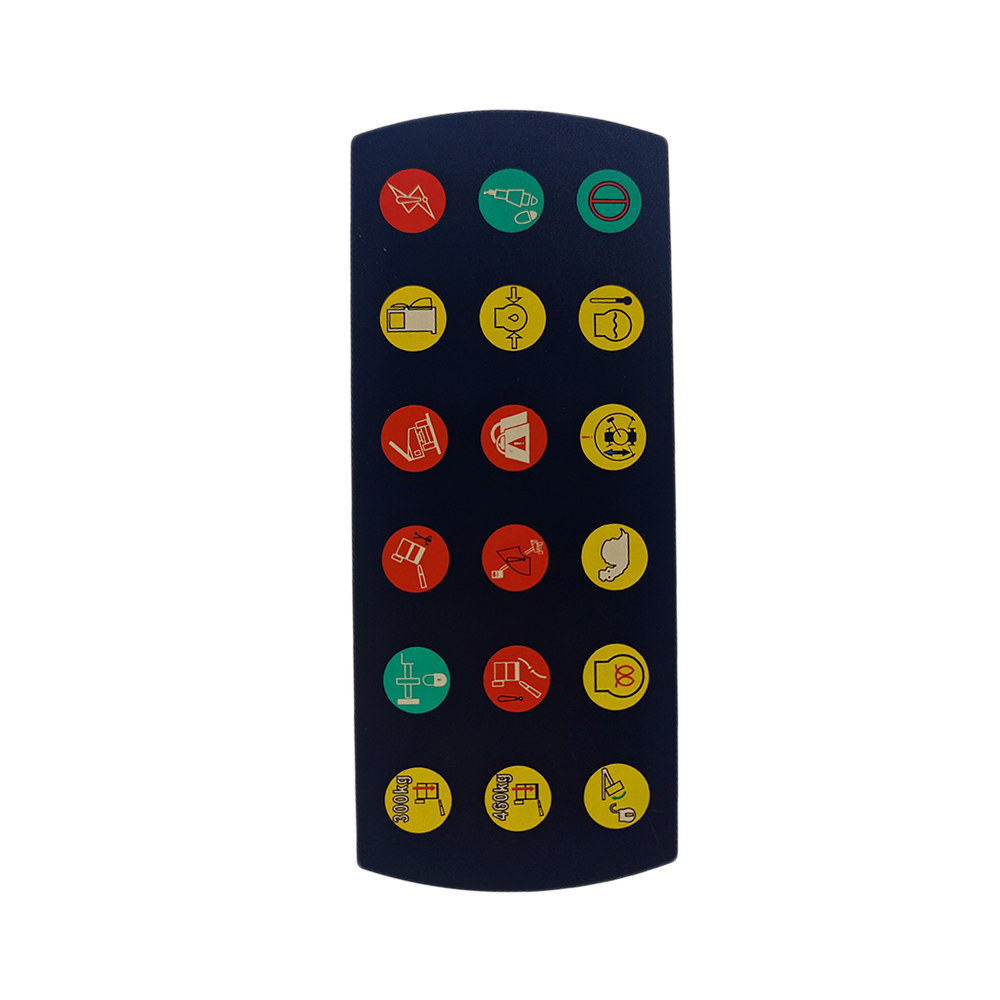
The tactile feel and actuation force of silicone rubber keypads significantly impact user experience, influencing speed, accuracy, and comfort. Adjusting the snap ratio, which governs the "click" sensation, and fine-tuning material hardness and button height allows manufacturers to optimize feedback for various applications. For example, a softer touch may suit consumer electronics, while a firmer feel is ideal for industrial controls. By customizing these factors, manufacturers ensure that keypads provide responsive, ergonomic interfaces that reduce user fatigue and improve input precision, especially in high-stakes environments like medical devices and industrial automation.
Customization of silicone rubber keypads goes beyond color and shape; it extends to functionality and user experience. Options like laser etching and screen printing enable manufacturers to integrate symbols, branding, and functional markings, improving device navigation. Backlighting and translucent silicone can be incorporated for visibility in low-light conditions. Additionally, texture customization enhances grip and tactile feedback. These design elements ensure the keypad not only meets ergonomic and aesthetic standards but also aligns with the device's functionality, ensuring that users enjoy both usability and visual appeal.
A keypad is rarely a standalone part. Integration choices—contacts, PCB interface, lighting, and enclosure fit—can make the difference between a smooth assembly line and repeated rework. Silicone Rubber Keypads support multiple integration paths, including conductive pills contacting a PCB, pairing with flexible circuits, and adding light paths for backlighting. The table below organizes integration decisions so engineering and sourcing teams can align early.
TXT
| Integration topic | What to specify | Options referenced | Engineering impact | Buyer checks (B2B) |
|---|---|---|---|---|
| Electrical interface | How the switch closes | Conductive carbon or gold “pill” contacting PCB TXT | Contact resistance stability | Request contact material details and recommended PCB pad design |
| Circuit type | PCB vs flex | Integrate with PCB, FPC, or metal domes TXT | Layout + assembly steps | Align supplier with your PCB stack and connector approach |
| Backlighting | How light reaches legends | LEDs on PCB + translucent silicone + laser etch/light pipes TXT | Uniformity + power | Prototype for hotspots; validate under real ambient conditions |
| Mechanical fit | Housing and keypad alignment | Integrate with plastic housings; sealing gasket role TXT | Tolerance stack-up | Define compression zone and assembly torque assumptions |
| Assembly strategy | Part count and handling | Single-unit keypad or assembled interface TXT | Yield + cycle time | Ask supplier for DFM feedback and assembly fixtures suggestions |
Silicone rubber keypads are an ideal choice for projects that require durability, flexibility, and environmental resistance. With their ability to withstand harsh conditions like extreme temperatures, moisture, and UV light, these keypads offer long-term performance across industries such as consumer electronics, medical devices, and industrial controls. The keypads also provide excellent tactile feedback and are highly customizable to meet specific user interface needs. For businesses looking to invest in reliable, cost-effective solutions, Meiborui (XiangHe) Electronic Information Technology Co., Ltd. offers silicone rubber keypads that enhance both functionality and user experience. Their products are designed to meet the highest standards of quality and durability, ensuring that your projects are equipped with long-lasting, high-performance keypads.
A: Silicone rubber keypads are user interfaces made from silicone material, designed to withstand wear and environmental factors. They offer durability, flexibility, and excellent tactile feedback, making them ideal for applications in consumer electronics, medical devices, and industrial controls.
A: Silicone rubber keypads provide long-lasting performance, resistance to harsh conditions like moisture, chemicals, and UV light. Their customizable design options and ergonomic tactile feedback make them a great choice for projects requiring durability and comfort.
A: Silicone rubber keypads offer a soft, responsive feel that confirms user input. The customizable tactile feedback reduces errors, providing a better user experience, especially in applications like medical devices and industrial equipment.
A: Yes, silicone rubber keypads are cost-effective in the long run due to their durability and long lifespan. They require fewer replacements, reducing maintenance costs over time, making them a smart investment for many industries.
A: Absolutely! Silicone rubber keypads are highly customizable in terms of size, shape, color, and functionality. Features like backlighting, laser etching, and surface finishes can be incorporated to meet specific design and user needs.
A: Silicone rubber keypads are extremely durable, capable of withstanding millions of key presses without losing functionality. They also resist environmental factors such as UV light, extreme temperatures, moisture, and chemicals, ensuring long-term performance.


