Tel: +86-138-0108-2502 /+86-138-0135-1388 E-mail: info@mbrxh.com


Views: 0 Author: Site Editor Publish Time: 2026-02-10 Origin: Site


Have you ever wondered how your remote control or medical device registers each button press with precision? Silicone rubber keypads are behind the seamless performance in many electronic devices. These keypads are durable, cost-effective, and provide tactile feedback, making them essential in industries like automotive and healthcare. In this article, we will discuss how silicone rubber keypads work, their conductive principles, and why they continue to play a vital role in various applications.
The structure of silicone rubber keypads is integral to their functionality and durability. By using molded silicone and embedding conductive pills under each key, the design ensures responsive feedback and long-term reliability. The combination of silicone webbing and conductive elements is what allows these keypads to perform effectively in a wide range of applications, providing consistent user interaction and durability.
| Component | Material | Function | Key Features | Applications |
|---|---|---|---|---|
| Silicone Rubber Webbing | Silicone Rubber | Provides elasticity and tactile feedback | Flexibility, elasticity, durability | Consumer electronics, automotive controls |
| Conductive Pills | Carbon or Gold-plated | Completes electrical circuit when pressed | Low resistance (10Ω - 200Ω), high durability | Medical devices, industrial controls |
| Printed Circuit Board (PCB) | Copper traces | Receives signal from conductive pills and processes it | Stable signal transmission, low signal loss | All devices with keypads |
Tip: Ensuring the correct balance between the elasticity of the silicone rubber and the quality of the conductive pills is key to achieving long-lasting, high-performance keypads.
When a user presses a key on a silicone rubber keypad, the silicone webbing compresses, and the conductive pill embedded in the key makes contact with the PCB beneath. This completes the circuit, allowing electricity to flow through the PCB and registering the input from the user. Once the key is released, the elasticity of the silicone material causes the key to return to its initial position, providing a distinct tactile "snap" feedback to the user.
This pressure-induced deformation is what makes silicone rubber keypads effective and reliable. The keys provide tactile feedback, ensuring that users can feel the keypress and know that the action has been registered. The conductive elements ensure stable electrical connection over extended periods, maintaining performance even under heavy use.
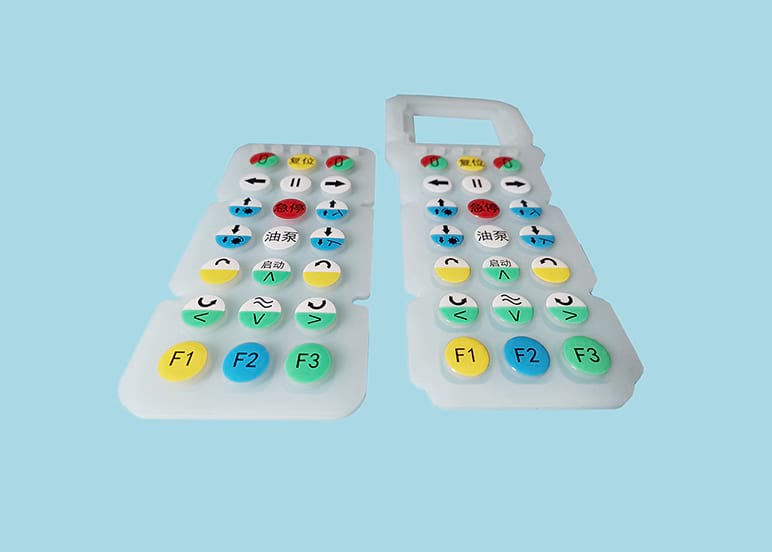
The conductive pill in silicone rubber keypads is typically made of carbon or gold-plated materials, both of which provide specific advantages depending on the application's requirements. Carbon pills are commonly used due to their cost-effectiveness and durability. They offer a balance of low resistance and reliability, making them suitable for consumer electronics and many industrial applications.
In contrast, gold-plated conductive pills are used in high-reliability industries such as aerospace and medical devices. Gold’s superior resistance to oxidation and corrosion makes it ideal for environments where the keypad needs to maintain optimal performance despite exposure to extreme conditions, such as humidity and temperature variations.
The printed circuit board (PCB) in a silicone rubber keypad features specially designed carbon or metal contacts, often arranged in a finger or interdigitated pattern. These contacts are strategically placed beneath each key to interact with the conductive pill when the key is pressed. This design ensures the effective flow of electricity once the circuit is closed.
The carbon contacts on the PCB are designed for longevity, ensuring stable conductivity and resistance to wear or oxidation. They enable a consistent response over a long lifespan, ensuring the keypad remains functional even after thousands of presses.
When designing silicone rubber keypads, it’s crucial to consider the electrical resistance of the conductive elements. The resistance typically ranges from 10Ω to 200Ω, depending on the specific application. Low resistance is key to ensuring reliable signal transmission, as it allows for faster and more accurate response times. Achieving the right level of conductivity is critical to avoid signal loss or miscommunication within the device.
The right balance of conductive parameters guarantees that the keypad will function consistently and reliably, particularly in devices where accuracy and performance are crucial, such as medical equipment and industrial machinery.
One of the key advantages of silicone rubber keypads is their ability to provide tactile feedback through the flexibility of the silicone material. The elasticity of the silicone webbing allows each key to compress when pressed and return to its original shape when released. This process provides users with physical confirmation that their input has been received.
The flexibility of the silicone rubber also allows for the customization of key travel distance and actuation force, enabling manufacturers to create keypads with a wide range of responses. For consumer devices, a soft press may be ideal, while industrial applications may require a firmer, more deliberate click for enhanced precision.
The snap ratio refers to the difference between the force required to press a key and the force needed to release it. A well-designed snap ratio ensures a satisfying user experience by providing the right amount of resistance and feedback. A key with a proper snap ratio delivers a tactile "click" when pressed, which enhances the user’s confidence that the key has been activated.
For consumer electronics, a soft snap ratio may be preferred for quick, comfortable use, while industrial keypads may require a firmer ratio for intentional key presses. Engineers must carefully consider these factors during design to ensure optimal usability.
Different applications require different levels of tactile feedback. For example, consumer devices such as remote controls may benefit from a softer, quieter feedback, while industrial control panels may require a stronger, more pronounced tactile response to ensure that the operator has intentionally pressed the key.
The ability to customize the tactile feedback and key travel distance allows silicone rubber keypads to be versatile and adaptable across many use cases. The feedback also serves to reduce the risk of accidental key presses, ensuring that the right input is always registered.
One of the main reasons why silicone rubber keypads are so popular is their ability to be highly customized. Keypads can be molded in various shapes, sizes, and colors to meet specific design requirements. Custom colors and finishes also help ensure that the keypad matches the overall aesthetics of the device it is integrated into.
For example, manufacturers can produce keypads with embossed or debossed symbols and logos to match branding or provide additional visual information for users.
Silicone rubber keypads can be equipped with different backlighting options, such as LEDs, fiber optics, or electroluminescent films. These lighting solutions improve the visibility of the keypad in low-light conditions, ensuring that users can interact with the device in any environment.
Backlighting also adds an aesthetic element to the keypad, enhancing the user experience by making the interface more attractive and functional, especially in industries like automotive and medical devices where clarity and visibility are crucial.
Surface coatings such as epoxy, polyurethane, and abrasion-resistant layers are commonly used to protect the printed legends and ensure that the keypads remain readable and durable over time. These coatings help protect against wear, scratches, and fading, which is particularly important in high-use applications where the keypads are exposed to heavy handling.
Surface coatings can also provide additional features like UV resistance or antimicrobial properties, making silicone rubber keypads suitable for specialized environments like healthcare and food processing.
Silicone rubber is renowned for its remarkable durability, not just in typical environments but also in extreme conditions. Its resistance to high and low temperatures, chemicals, moisture, and UV light makes it a go-to material in industries such as aerospace, automotive, and healthcare. The silicone rubber's inherent ability to resist degradation over time, even in harsh environments, ensures a prolonged lifespan for keypads. This durability also reduces maintenance costs and improves the reliability of devices, making it ideal for applications with demanding usage requirements, including industrial machinery and medical devices.
Silicone rubber keypads are frequently engineered to meet stringent IP65 or higher waterproofing standards, which ensures effective protection against both dust and water. This capability is particularly valuable for devices used in challenging environments such as medical diagnostics, industrial automation, and outdoor equipment. IP65+ ratings guarantee that keypads can resist water jets, spills, and moisture, preventing damage to sensitive electronics. Additionally, with environmental standards such as these, silicone rubber keypads can perform efficiently under harsh conditions, from heavy rain to dusty outdoor environments, making them indispensable for industries that require rugged, dependable solutions.
Silicone rubber keypads are known for their exceptional temperature resilience. Their ability to withstand extreme temperature variations, from as low as -55°C to over 210°C, makes them ideal for use in challenging environments, such as automotive, aerospace, and military applications. This flexibility allows silicone rubber keypads to maintain reliable functionality even under harsh conditions.
| Temperature Range | Operating Temperature | Applications | Key Features | Performance Considerations |
|---|---|---|---|---|
| Low-Temperature Resilience | -55°C to -40°C | Aerospace, Military, Outdoor Equipment | Maintains flexibility and reliability at low temperatures | Potential for brittleness at extreme cold |
| Normal-Temperature Operation | -40°C to 85°C | Consumer Electronics, Medical Devices | Reliable operation under standard conditions | Stable performance, no additional considerations |
| High-Temperature Resilience | 85°C to 210°C | Automotive, Industrial, Heavy Machinery | Excellent resistance to high temperatures without material degradation | Regular checks for material degradation and discoloration may be necessary in extreme heat |
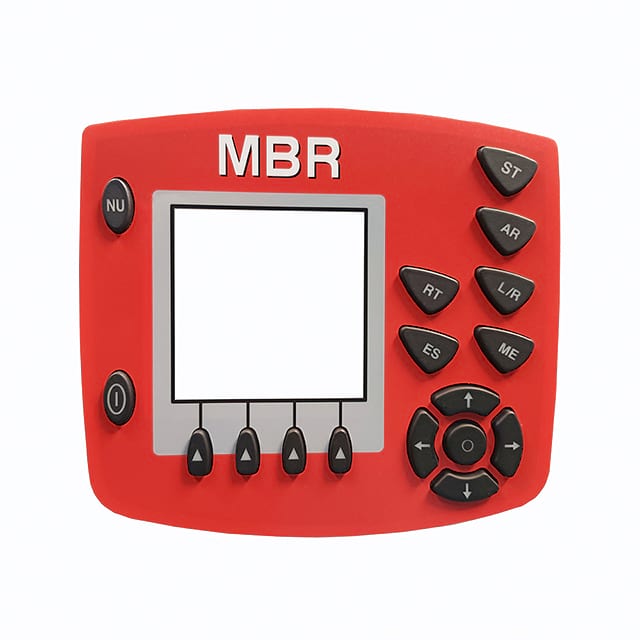
Silicone rubber keypads are highly favored in consumer electronics due to their combination of durability and superior tactile feedback. These keypads excel in devices that require frequent and repeated use, such as TV remotes, calculators, and game controllers. Their design allows for efficient response times, minimizing input errors while offering an intuitive user experience. Additionally, the resilience of silicone rubber ensures longevity, even with prolonged usage, making it an ideal choice for high-demand electronics. The customization potential for colors, shapes, and layouts also allows for enhanced branding and user personalization in consumer products.
Silicone rubber keypads are essential components in medical equipment, providing not only reliability but also hygiene in sensitive environments. These keypads are designed to withstand exposure to moisture, chemicals, and frequent cleaning, making them ideal for portable monitors, diagnostic tools, and infusion pumps. Their resistance to corrosion and ease of sanitation ensure they maintain functionality in sterile environments. Moreover, the tactile feedback offered by silicone rubber is crucial in medical devices, ensuring accurate input by healthcare professionals, especially when quick, precise data entry is required in urgent situations.
In industrial controls and automotive sectors, the reliability and durability of silicone rubber keypads are paramount. They must handle frequent usage while maintaining stable electrical performance in challenging environments. By selecting appropriate materials and designs, silicone rubber keypads can work reliably in high temperatures, moisture, and vibration-prone areas.
| Application Area | Device Type | Environmental Requirements | Silicone Rubber Keypad Benefits | Design Considerations |
|---|---|---|---|---|
| Industrial Controls | Control panels, machinery interfaces | High temperature, chemicals, moisture | High durability, corrosion resistance | High-temperature resistance, chemical resistance |
| Automotive Systems | Dashboards, in-vehicle control interfaces | Vibration, temperature variations, dust | Waterproof, dustproof, long lifespan | High reliability, UV resistance |
Tip: Selecting durable materials and optimizing design is key to ensuring stable performance in industrial and automotive environments.
In military and aerospace applications, silicone rubber keypads are vital components in ruggedized devices designed to withstand the harshest conditions. These keypads are engineered to endure extreme temperatures, high humidity, and continuous vibration, making them reliable for critical systems like communication devices and avionics. The integration of gold-plated conductive pills ensures ultra-low resistance, which is essential for precise, uninterrupted operation in demanding environments. Additionally, the high durability of silicone rubber helps protect sensitive electronics from environmental damage, maintaining functionality during critical missions. These features are crucial for ensuring the longevity and reliability of military-grade and aerospace equipment.
Silicone rubber keypads offer a reliable and versatile solution for a variety of industries, including consumer electronics, medical devices, and industrial controls. Known for their durability, cost-effectiveness, and tactile feedback, these keypads excel in applications requiring frequent interaction and long-lasting performance. Meiborui (XiangHe) Electronic Information Technology Co., Ltd. provides high-quality silicone rubber keypads that ensure excellent functionality in extreme conditions. By offering customizable features and outstanding environmental resistance, their products are ideal for companies seeking durable and efficient user interface solutions.
A: Silicone rubber keypads are durable, flexible keypads made from molded silicone. They contain conductive pills, usually made from carbon or gold, that complete the electrical circuit when a button is pressed.
A: When a user presses a key, the silicone webbing compresses, causing the conductive pill to contact the PCB, completing the circuit. The key then returns to its original position due to the elasticity of the silicone.
A: Silicone rubber keypads are resistant to moisture, chemicals, and frequent cleaning, making them ideal for medical equipment where hygiene, durability, and reliable performance are critical.
A: Silicone rubber keypads offer excellent durability, resistance to harsh chemicals, moisture, and extreme temperatures, making them perfect for industrial control panels and automotive dashboards.
A: Yes, Silicone Rubber Keypads can be customized in shape, color, and design to meet specific device requirements, offering flexibility for various applications across industries.
A: The cost of Silicone Rubber Keypads depends on factors such as customization, material quality, and design. Generally, they are cost-effective for mass production, especially for consumer electronics.


